One codebase, both stores
Building an app twice (once in Swift, once in Kotlin) doubles the cost and then doubles it again in maintenance, because the two versions drift apart the moment they exist. For the vast majority of products that trade-off buys nothing a user can perceive.
EXTENSA builds cross-platform with React Native and Expo: one codebase, native performance for standard product work, and iOS and Android that stay identical because they are the same app. When something genuinely needs native code, it gets native code.
What a $2,400 app includes
Common additions: both stores, payments and in-app purchases, an admin dashboard to manage the app, and a priority build sprint.
- Product design: screens, flows and a brand that fits the store it lands in
- Cross-platform build for iOS and Android from one codebase
- Backend and database with per-user data isolation
- Authentication and accounts
- Google Play submission, with the App Store as an add-on
- Launch support and release management
Store review is part of the job
Getting an app approved is a discipline of its own, and it is where most first-time launches stall. Apple rejects for reasons that never appear in a build spec: missing account deletion, unclear user-generated content moderation, subscription terms in the wrong place, a demo account that does not work for the reviewer.
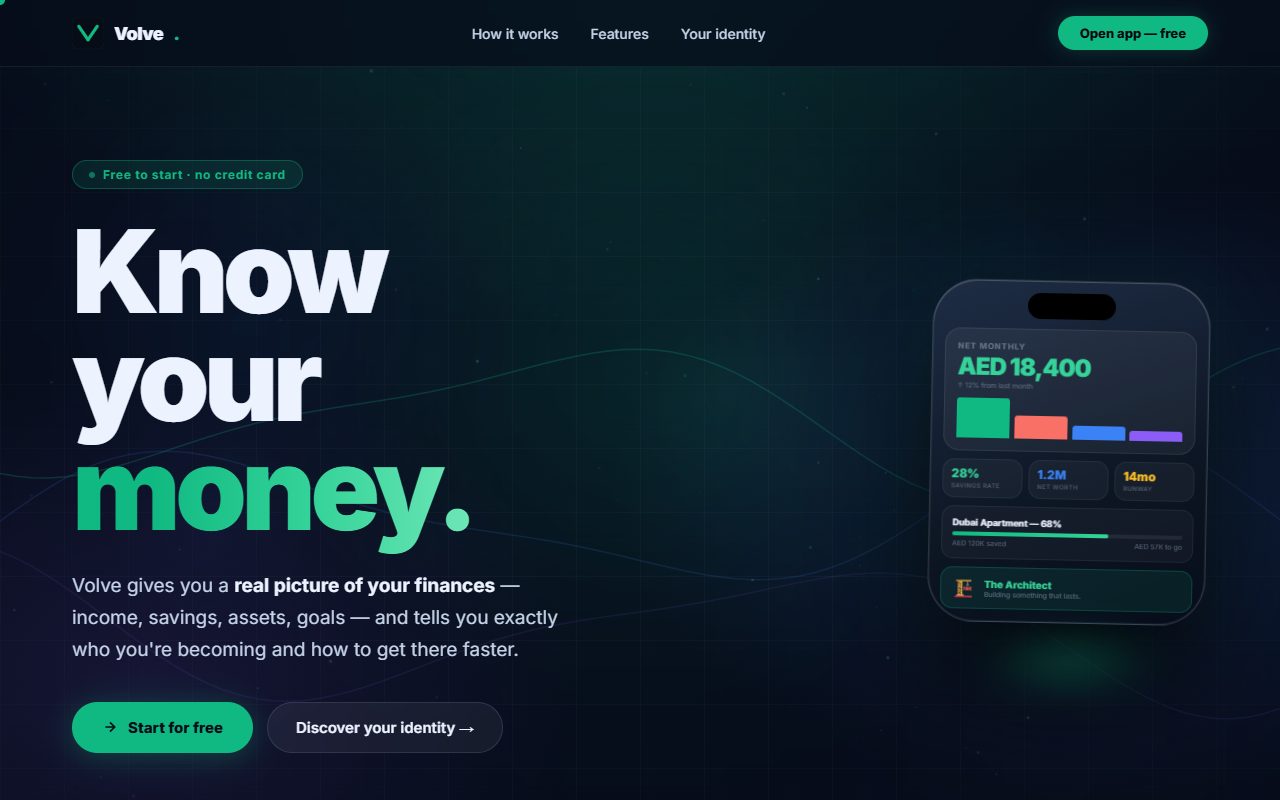
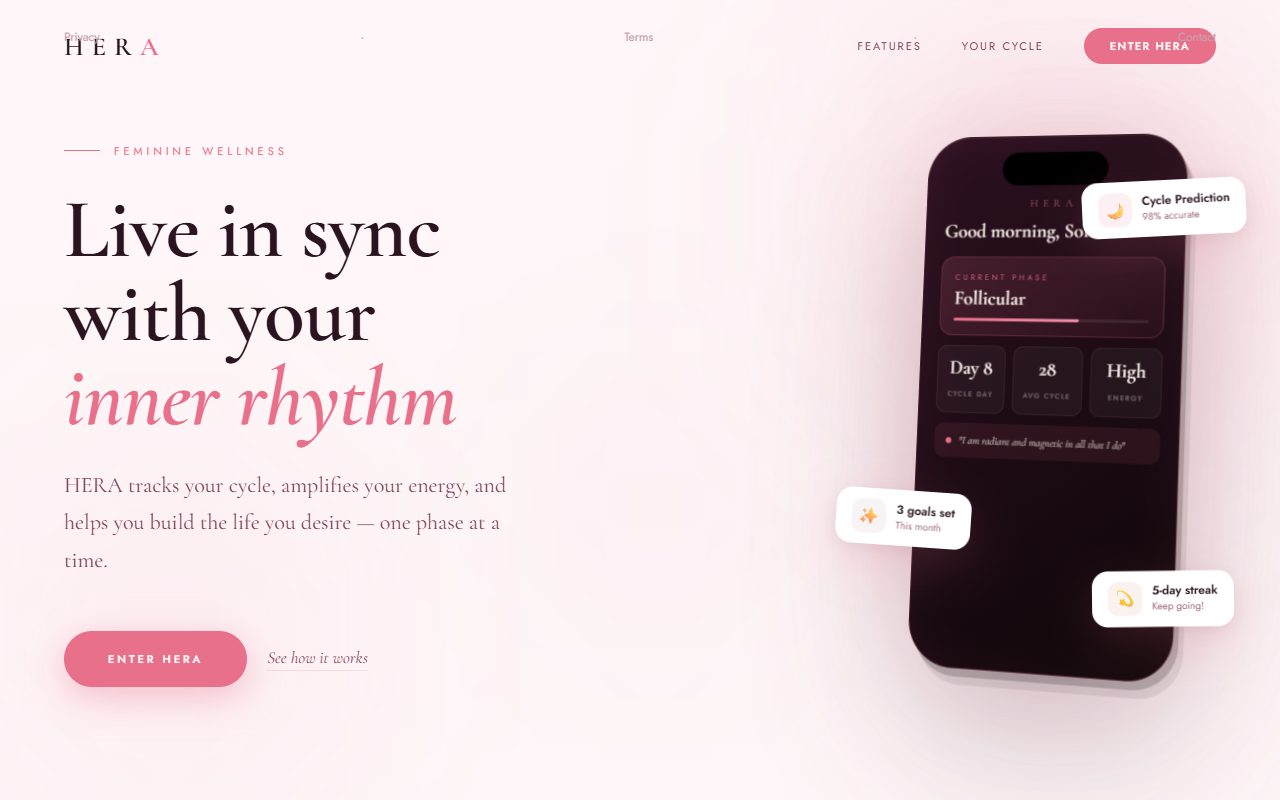
EXTENSA has taken apps through real rejections and re-submissions on both platforms (see HERA and Volve), and fixing review issues is inside the scope, not a change request afterwards.
What we do not do
We do not build a 40-screen version-one. An app that tries to be complete before it has users is the most expensive way to discover that the wrong thing was built.
The first release does the single thing your users came for, properly, and ships. What comes next is decided by what they actually do with it.